
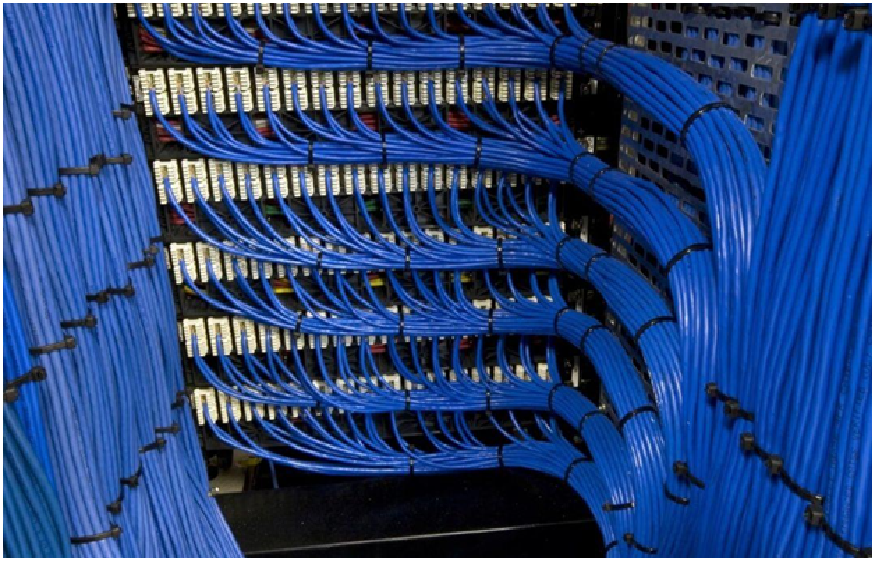
Everything moves fast in Austin businesses. Desks get added, new suites open, cameras roll out, and the network is expected to keep up. It doubles the expense to make any shift properly. Closets turn wiring into spaghetti, and problems come to be a hit. Phones, Wi-Fi, and security go down for a few minutes following days, all because of a small error in the wrong place. At first, it is not severe; it is just constant.
Cleaner wiring is not just about arranging racks. It constructs a backbone that is simple to reach and not possible to mistakenly break everything during normal upkeep. They can assign drops, change departments, and level bandwidth on their squad without splitting walls or struggling hard to identify good preparation and decent hand. This is how you maintain performance when your competition is functioning properly.
Cable Installer Planning That Prevent Access Surprises
The best cable installer companies save money by doing the unglamorous work first: surveying closets, checking conduit capacity, and confirming ceiling access before anyone orders material. That early reality check prevents the classic mid-project surprise where the team discovers a blocked pathway or an undersized riser. It also keeps schedules honest in occupied buildings where escorts, badges, and tenant hours can slow everything down if they are ignored.
Read More : How A Cabling Company Helps Austin Businesses Build Cleaner And More Scalable Networks
Planning also clarifies what “clean and scalable” means for that specific business. Some sites need more drops near conference rooms and shared areas. Others need stronger support for cameras, access control, and storage zones. When the scope is written around real use, decisions get easier and change orders drop. The work feels calmer because everyone knows what is being built, where it will land, and how it will be verified.
Pathways and Fire-Safe Penetrations
Clean pathways do more than protect performance. They protect the building. Trays, conduit runs, and supports should keep cable out of pinch points, away from heat, and clear of high-traffic ceiling areas where maintenance crews routinely work. In multi-tenant spaces, those small precautions reduce the chance that a later ceiling visit turns into an accidental cut. That is how “random outages” usually start, and they are expensive to chase.
Penetrations and fire-rated routes deserve the same discipline. When fires-topping methods are correct and documentation is consistent, inspections move faster, and remodel work becomes less risky. Shortcuts here tend to show up later, usually at the worst time. A careful approach keeps compliance issues from delaying tenant turnover, expansion deadlines, or security upgrades that depend on passing review quickly.
Company Standards Cable Installers Use for Fast Troubleshooting
A tidy closet is not cosmetic. It is operational safety. A cabling company that works with intent will manage slack, keep patching predictable, and label panels so they actually match the floor plan. That matters when something fails during a busy day. If a camera drops or a VoIP phone stops registering, technicians can isolate the run quickly instead of digging through tangled bundles while staff wait and work slows down.
Documentation turns that order into long-term leverage. As-builts, port maps, and a simple change log keep knowledge from living in one person’s head. When a department moves, its team can plan the change on paper, schedule it, and execute it in a short window. Over time, that reduces labor, cuts tenant disruption, and makes the next expansion easier to budget because the baseline stays accurate.
Foundations That Stay Organized
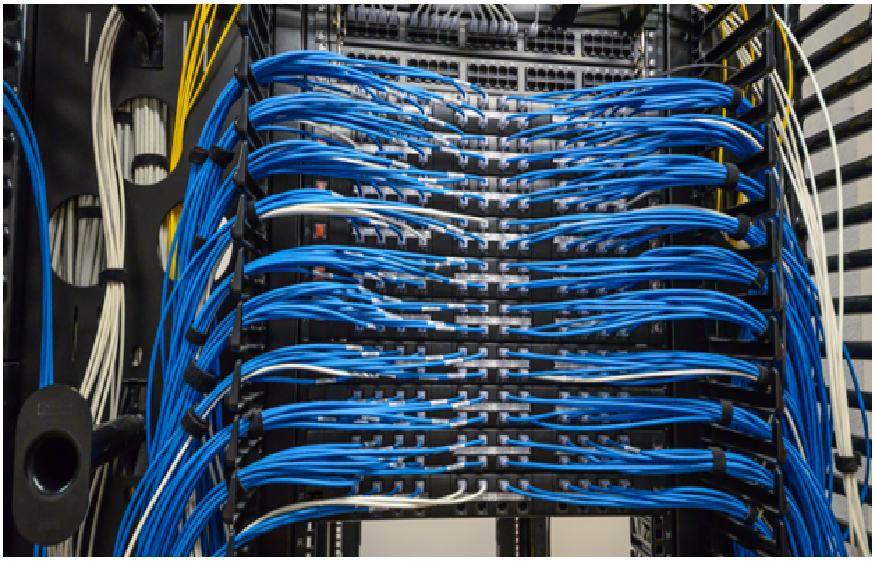
A scalable network starts with a structure that stays consistent over time. That means planned pathways, predictable rack layouts, and a labeling approach that does not change every time someone adds a device. When technicians can trace a run in minutes, they fix issues faster and avoid disconnecting the wrong service. In busy offices, that predictability keeps tickets from stacking up and keeps outages from turning into long, noisy investigations.
A strong foundation also assumes the building will change. Departments shuffle, tenants remodel, and new systems show up without warning. A clean baseline makes those changes easier to absorb. When routes are protected, closets are kept serviceable, and documentation is updated as part of closeout, expansions feel like routine work. Nobody has to “figure out what the last person did” just to add a few new drops.
Testing That Prevents Mystery Problems
Testing is what turns “installed” into “verified.” The best cable installer companies do not leave owners guessing whether a run is good or merely “working today.” Certification results, continuity checks, and clear pass documentation give teams a baseline they can trust. When performance feels off later, they can pinpoint whether the issue is cabling, switching, or an endpoint, instead of swapping gear until something changes.
Closeout quality matters just as much as the testing itself. Labels should match drawings. Drawings should match what is physically in the closet. Exceptions should be documented clearly, not buried in a conversation. That alignment reduces callback visits because the next technician can trust what they see. It also shortens outages, since the team spends time fixing the fault, not searching for it.
Scaling Without Disrupting Daily Work
Most Austin offices cannot pause operations for infrastructure work. A cabling company that understands occupied environments will phase work by zone, batch noisy ceiling activity after hours, and keep daytime work focused on quieter tasks like closet cleanup and controlled pulls. Same-day restoration matters. So does keeping corridors clear. Tenants tolerate upgrades when the space still feels professional and predictable while the work happens.
Scaling is also about making the next change easier than the last one. Spare pathway capacity, clean port standards, and a disciplined documentation habit turn expansions into incremental work instead of recurring rebuilds. Their team can also set simple trigger checks after remodels so the baseline stays current. That rhythm reduces downtime, keeps budgets steadier, and prevents the slow drift that turns neat closets into chaos again.
Conclusion
Cleaner cabling makes networks easier to run and easier to grow. When pathways are protected, closets stay organized, and testing is documented, teams spend less time reacting and more time improving. The payoff is fewer outages, faster troubleshooting, and expansions that feel planned instead of disruptive. It also supports safer day-to-day changes because technicians can confirm what they are touching before making edits.
CMC Communications supports Austin businesses with structured cabling projects that stay clean, verifiable, and easier to maintain after turnover. Their team focuses on safe pathways, code-aware workmanship, and closeout testing that remains useful during remodels and expansions, so records stay consistent across vendors. That approach reduces downtime, speeds troubleshooting, and helps owners scale confidently without turning every growth phase into a stressful rebuild for IT teams and building staff.
Frequently Asked Questions
Question: How do teams know when cabling is the real issue, not Wi-Fi or switching?
Answer: If problems follow the same rooms, ports, or patch panels, or if issues persist after hardware changes, the physical layer is often involved. A quick closet audit and certification checks can confirm whether terminations, labeling, or pathway damage is contributing.
Question: What should be included in a closeout package for a cabling project?
Answer: Owners should request as-builts, port maps, labeling standards, and test results for each run. Photos of key closets and patch panels help too. Keeping everything in one shared folder saves time when staff or vendors change.
Question: Why does labeling matter so much in commercial networks?
Answer: Labeling reduces downtime because technicians can trace runs quickly and avoid pulling the wrong service offline. It also supports safer changes when phones, cameras, and access control share closets. Clear labels turn troubleshooting into a short task instead of an all-day hunt.
Question: How can cabling upgrades stay low-disruption in occupied offices?
Answer: Phasing work by zone and batching noisy tasks after hours helps the most. Daytime activity can focus on closet cleanup and controlled pulls. Weekly notices and clear access rules keep security and tenants aligned, which prevents delays.
Question: Question: What is the most common cause of recurring cable-related outages?
Answer: Poor pathway protection is a big one: tight bends, pinched runs, and cable routed through high-traffic ceiling areas. Messy closets and undocumented changes also cause intermittent failures. Routine visual checks and updated documentation reduce repeat issues.
Read More : The Future of Business: Why Revops Agencies Matter
Question: How can businesses plan for growth without redoing cabling every year?
Answer: They can reserve tray and conduit capacity, keep spare ports available, and document port assignments clearly. A simple change log and periodic audits keep the baseline accurate. That way, expansions stay incremental instead of forcing a rebuild.